
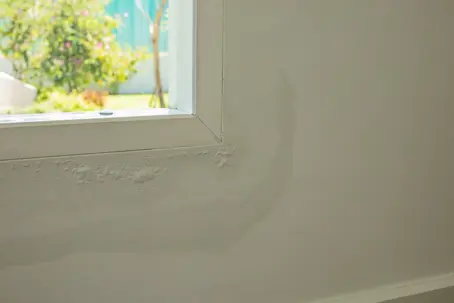
Living on the Treasure Coast means dealing with high humidity and sudden tropical downpours as a part of daily life. As we transition into the humid spring months, many homeowners are still dealing with the invisible effects of the previous winter storm season. While most people prepare for major hurricanes, it is often the tiny, invisible micro-leaks around windows and doors that cause the most long-term damage during the wet months ahead.
Understanding the Nature of Micro-Leaks
A micro-leak is a gap so small it is often invisible to the naked eye, yet large enough to allow water vapor or droplets to enter your home. Unlike a shattered window or a major flood, these leaks don’t leave a puddle on the floor. Instead, the water seeps into the wall cavity or under the flooring, staying hidden for weeks or even months. Because the Florida sun often dries the exterior of your home quickly, you might not realize that the interior of your walls remains damp. This trapped moisture creates a breeding ground for wood rot and structural failure. Over time, even the smallest amount of water can weaken the studs and framing that hold your home together.
How Florida Humidity Fuels the Problem
In drier climates, a tiny leak might dry out on its own before causing trouble. In Florida, our relative humidity often stays above 70%, which means moisture has a much harder time evaporating. When water enters through a micro-leak, it gets trapped in a "high-humidity pocket" inside your walls where there is no airflow. This constant dampness leads to a process called secondary damage. This occurs when the initial water intrusion isn't the only problem; the resulting high humidity starts to ruin materials that weren't even touched by the original leak. Your drywall acts like a sponge, soaking up the moisture from the air inside the wall until it becomes soft and discolored.
Monitoring your home for these subtle changes can save you from a massive repair bill later:
- A faint, musty odor that persists even after you have cleaned the room.
- Drywall that feels slightly cool or damp to the touch near window corners.
- Peeling or bubbling paint on the baseboards directly under an entry door.
- Condensation or fogging trapped between double-paned glass windows.
The Invisible Threat of Mold Growth
One of the biggest concerns with micro-leaks is how quickly they can lead to an indoor environmental issue. Mold spores are everywhere, but they need moisture to grow. A small, consistent leak provides the perfect watering hole for mold to colonize behind your wallpaper or under your carpet. Because these leaks are small, the mold often grows out of sight. By the time you see dark spots appearing on your baseboards or walls, the colony has likely been growing for quite some time. This is why it is so important to address any sign of moisture immediately, even if it doesn't look like a flood.
Why Visual Inspections Aren't Always Enough
You might look at your windows and think they look perfectly fine, but professional tools often tell a different story. Since micro-leaks are so small, they often require advanced technology to detect. Professionals use moisture meters and thermal imaging cameras to see through the walls and find where the water is hiding. Thermal imaging is especially helpful in Florida. Since water is denser than air, it holds a different temperature. A professional can scan your walls and see a cold spot where moisture is gathering, even if the drywall looks completely dry on the outside. This allows for targeted repairs instead of tearing down entire walls just to find a single leak.
If you suspect a leak, professionals typically look for these scientific indicators:
- Differential temperature readings between the window frame and the surrounding wall.
- High moisture content percentages in the wood framing using specialized probes.
- Airflow gaps detected through ultrasonic leak detectors.
- Evidence of salt deposits (efflorescence) on the interior side of the door or window.
Protecting Your Home’s Structural Integrity
The long-term impact of ignored micro-leaks can be devastating to your home’s value. When water sits against wood for too long, it triggers wood rot, which eats away at the strength of your home’s skeleton. In extreme cases, the wood becomes so soft that it can no longer support the weight of the window or door, leading to sticking doors or windows that won't open. Preventing this requires a proactive approach. Checking your seals every year and replacing old caulk is a great start. However, if water has already made its way inside, you need to ensure the structure is professionally dried to stop the rot in its tracks. Simply fixing the leak on the outside won't help if the moisture is already trapped on the inside.
Ensuring Your Home Stays Dry and Secure
Detecting micro-leaks early is the key to preventing a small maintenance task from turning into a major property crisis. In the Florida environment, moisture is a constant pressure on your home’s exterior, and even the smallest breach can lead to hidden rot, mold, and structural compromise. By staying observant and addressing invisible leaks before they manifest as visible damage, you preserve the safety, air quality, and value of your sanctuary.
When moisture does find a way in, Wet Out Restoration provides the technical expertise to stop the damage. We specialize in storm damage restoration and water damage restoration, using advanced moisture detection to find exactly where those micro-leaks are hiding. Our team focuses on structural drying to ensure no moisture remains trapped in your walls, followed by mold remediation if the dampness has already led to growth. We handle the process from start to finish, providing the high-velocity airflow and dehumidification needed to return your home to a safe, dry state.
Don't let a tiny leak lead to a massive headache; reach out today for a professional moisture assessment to protect your sanctuary. Visit our contact page or call us at (772) 309-9506 to get started.