
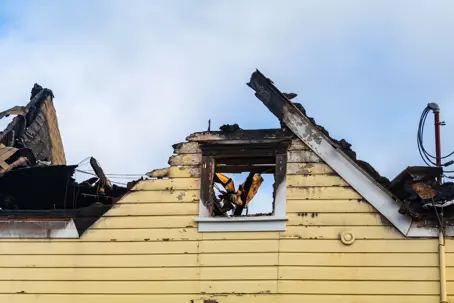
Experiencing a fire is an overwhelming event that leaves you with more questions than answers. Once the first responders leave, the true challenge begins: figuring out how to transform a soot-stained structure back into a safe home. This guide walks you through the chronological journey of fire damage restoration, helping you understand each phase from the initial shock to the final walkthrough.
Immediate Safety: Securing the Scene
The first few hours after a fire are about one thing: safety. Even if the fire was small, the high heat can compromise the strength of wood framing and masonry. You should never enter the property until the fire department has officially declared it safe to do so.
When you are cleared to enter, keep these immediate safety precautions in mind to protect your health:
- Structural Red Flags: Watch for sagging ceilings, cracked exterior walls, or loose bricks that may have shifted during the fire.
- Invisible Contaminants: Assume the air is filled with fine soot particles and ash; wearing a high-quality mask (like an N95) is essential to protect your lungs.
- Utility Dangers: Do not attempt to turn on lights or water if you see standing water near outlets or smell gas; fire often leaves electrical wiring brittle and dangerous.
- Slip and Fall Hazards: Firefighting water mixed with soot creates extremely slippery surfaces on tile and wood floors.
Stabilization: Protecting Your Property from the Elements
Once the scene is safe, the focus shifts to stabilization. Fire often breaks the “envelope” of your home by shattering windows or burning holes in the roof. If these openings aren’t addressed immediately, secondary damage from Florida rain, humidity, or even vandalism can quickly outpace the original fire damage.
Professional restoration teams use these methods to secure your home and prevent further loss:
- Emergency Board-Up: Installing plywood over broken windows and doors to keep out pests and unauthorized persons.
- Roof Tarping: Using heavy-duty, industrial tarps to cover roof penetrations and prevent rain from soaking your attic and ceilings.
- Containment Barriers: Setting up heavy plastic “walls” to isolate the burned areas, preventing soot and odors from drifting into clean rooms.
- Temporary Power: Setting up safe, temporary electricity so that drying equipment and lights can run without using the home’s damaged wiring.
Documentation and Assessment: Mapping the Invisible Damage
Before a single sponge touches a wall, you must document everything for your insurance claim. A professional inspection goes beyond visible charring to identify hidden “smoke paths” in wall cavities and attics. This stage is about building a roadmap for the entire restoration project.
To help your claim move forward and ensure no damage is missed, follow these documentation steps:
- Photo Evidence: Take wide-angle shots of every room and close-up photos of specific damaged items before they are moved.
- Moisture Detection: Ensure your contractor uses thermal imaging to find water trapped behind baseboards or under flooring from the fire hoses.
- Detailed Inventory: Create a list of damaged belongings, including their age, brand, and approximate replacement cost.
- HVAC Inspection: Note if the air conditioner was running during the fire, as this often pulls smoke into the ductwork and distributes it throughout the house.
The Science of Clean: Why Soot Type Matters
Cleaning fire damage isn’t as simple as using soap and water. In fact, using the wrong cleaner on certain types of soot can permanently “set” the stain into your walls. Restoration is a science that requires identifying exactly what burned to determine the correct cleaning chemistry.
Professionals categorize soot into these specific types to choose the right cleaning method:
- Dry Soot: Resulting from high-heat wood or paper fires; it is powdery and usually responds well to “dry sponging” and HEPA vacuuming.
- Oily/Wet Soot: Caused by burning plastics or rubber; it is smeary and requires specialized chemical degreasers to break the bond with the surface.
- Protein Residue: Often invisible and found after kitchen fires; while it doesn’t look bad, it produces a pungent, foul odor that requires deep deodorization.
- Corrosive Residue: Some soot is highly acidic and will “eat” through metal fixtures and electronic circuit boards if not neutralized quickly.
Deep Cleaning and Deodorization: Restoring Air Quality
Once the soot is identified, the heavy cleaning begins. This phase focuses on removing the physical residue and the microscopic particles that cause the lingering “burnt” smell. The goal is to return the indoor air quality to a level that is safe for your family to breathe.
Technicians use these specialized tools to scrub the air and surfaces of your home:
- HEPA Air Scrubbers: These machines act as giant filters, constantly pulling air through several layers of filtration to remove smoke particulates.
- Thermal Fogging: A process that mimics the behavior of smoke, sending a neutralizing fog into the same cracks and crevices where the odor is hiding.
- Dry Sponging: Using chemical sponges to lift soot off painted surfaces without smearing it deeper into the drywall.
- Ozone or Hydroxyl Units: Advanced machines that break down odor molecules at a molecular level, effectively “killing” the smell instead of just masking it.
Contents Care: Saving Your Memories and Assets
Your personal belongings—from clothes to family photos—require a different touch than the walls of your home. Many items that look ruined can actually be saved through specialty cleaning. Often, these items are moved to a secure facility in a process called a “pack-out” to keep them safe during the structural repairs.
The following systems are used to protect and restore your personal property:
- Inventory Barcoding: Every box and piece of furniture is tagged and tracked so you know exactly where your items are at all times.
- Specialty Textile Cleaning: Using professional-grade “dry” cleaning methods that can remove smoke smells from delicate fabrics and wedding dresses.
- Electronics Triage: Cleaning internal circuit boards with specialized solutions to prevent the long-term corrosion caused by acidic soot.
- Document Recovery: Using delicate drying and cleaning techniques to salvage important paperwork or sentimental photographs.
Rebuilding: Turning a House Back into a Home
The final phase is reconstruction. This is where your home actually starts looking like itself again. It is vital that the “verify before you build” rule is followed—ensuring all odors are gone before new insulation and drywall are installed. If you rebuild over a smell, it will haunt the home forever.
A successful rebuild usually follows this specific sequence:
- Controlled Demolition: Removing only the materials that cannot be cleaned, such as heavily charred studs or smoke-soaked insulation.
- Encapsulation: Applying a specialized “sealer” to structural wood to ensure any microscopic odor molecules are locked away forever.
- Structural Repairs: Replacing damaged framing and ensuring the electrical and plumbing systems are up to current safety codes.
- Finish Work: Installing new drywall, painting, and laying down flooring to bring the aesthetic of the home back to life.
Navigating Your Recovery with Confidence
The road to fire recovery is complex, but it is manageable when you follow a clear plan that moves from immediate safety to a strategic rebuild. At Wet Out Restoration, we specialize in fire restoration and reconstruction, providing the industrial technology and local expertise needed to address hidden dangers such as acidic soot and trapped moisture that household cleaning alone cannot resolve.
By choosing a neighbor who understands the Treasure Coast, you ensure your home is not just "repaired" but truly restored to a healthy state. We are here to guide you through every step of this journey, offering a compassionate, start-to-finish solution so you don't have to face the recovery process alone.
If you’re dealing with fire and smoke damage, Wet Out Restoration can help you move from the initial emergency to a fully restored home with a plan you can actually trust. Contact Wet Out Restoration at (772) 309-9506 or click here to schedule an inspection and get your recovery started today.