
As we head into the thick of the Florida spring, residents across the Treasure Coast are feeling the air get heavier. While we often focus on the heat outside, the real battle for homeowners is managing the moisture that creeps inside their living space. When the outdoor humidity stays high, your home’s cooling system has to work twice as hard to keep your environment comfortable and, more importantly, safe from the structural threats that damp air brings.
The Science of Relative Humidity and Your Home
Humidity is more than just a comfort issue; it is a measurement of how much water vapor is hanging in the air. In our coastal environment, relative humidity often spikes, meaning the air is holding a high percentage of the maximum moisture possible at that temperature. When this moisture-laden air enters your home, it seeks out cool surfaces like windows, mirrors, and even the drywall behind your furniture.
If your indoor humidity levels consistently stay above 60%, the air can no longer effectively dry out porous materials. This leads to a persistent dampness in your carpets, upholstery, and structural wood that never truly goes away. Over time, this heavy air weakens the fibers of your home’s interior, creating a soft, welcoming environment for decay that usually starts where you can't see it.
Why Your Air Conditioner Isn't Always Enough
Most homeowners assume that as long as the AC is running, the humidity is under control. While air conditioners do remove some moisture as they cool the air, they are often not designed to handle the extreme vapor pressure of a Florida spring. If your system is slightly too large for your home, it may "short cycle," cooling the house down so fast that it doesn't run long enough to actually pull the water out of the air.
This leaves you with air that feels cold but clammy. This cold, damp environment is actually more dangerous for your home than warm, dry air because it encourages condensation inside your wall cavities. When that moisture builds up without proper airflow, it begins to degrade your insulation and wood framing, leading to a loss of structural integrity that is expensive to repair.
To keep your indoor air balanced, watch for these specific signs of a humidity overload:
- A sticky or "heavy" feeling on your skin when sitting indoors.
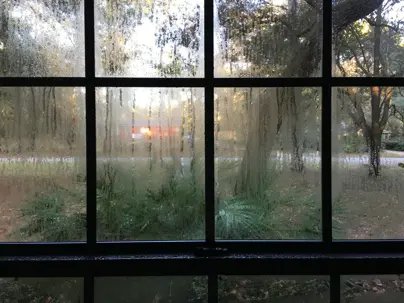
- Visible fogging or water droplets on the inside of your window glass.
- Envelopes or paper kept in drawers that feel limp or damp.
- Wooden doors or cabinet drawers that suddenly stick or become hard to close.
The Connection Between Humidity and Mold
In the restoration industry, we often say that mold is a moisture problem, not a cleaning problem. Mold spores are naturally present in the air, but they remain dormant until they find a consistent water source. High indoor humidity acts like a slow-release fuel for these spores, allowing them to colonize your drywall, ceiling tiles, and even your clothing without a single pipe ever bursting.
When the air is saturated, the moisture settles into the structural framing of your home. Because Treasure Coast homes are built to be airtight for energy efficiency, that moisture gets trapped. Once mold starts growing in a high-humidity environment, it can spread through your HVAC system, turning a localized dampness issue into a house-wide air quality concern that requires professional intervention.
Proactive Steps for Moisture Control
Managing your home’s climate requires more than just a low thermostat setting. Improving airflow is one of the most effective ways to prevent moisture from settling. Keeping interior doors open and ensuring your bathroom and kitchen exhaust fans are venting correctly to the outside can make a significant difference in your daily humidity levels.
It is also important to check the envelope of your home for any breaches. Small gaps around pipes under your sinks or worn-out seals on your attic hatch can allow humid air to bypass your AC entirely. By minimizing the amount of outside air that sneaks in, you give your cooling system a fighting chance to maintain a crisp, dry indoor environment.
Ensuring Your Home Stays Dry and Secure
Controlling indoor moisture is a year-round commitment on the Treasure Coast, but it becomes critical as the seasons shift and humidity rises. By understanding how water vapor interacts with your home’s structure and cooling system, you can prevent the "invisible" damage that leads to rot and air quality issues. Maintaining a dry sanctuary is the most effective way to protect both your property value and your family's health during the humid months ahead.
When the moisture levels in your home become unmanageable, Wet Out Restoration offers the technical solutions to restore balance. We provide professional water damage restoration and structural drying services using industrial-grade dehumidification that goes far beyond what a standard AC can achieve. Our team utilizes advanced moisture meters to track hidden dampness and provides mold remediation to safely remove any growth caused by high humidity. We focus on a scientific approach to storm damage restoration, ensuring that every corner of your home is sanitized and dry before the next season hits.
Protect your home from the hidden threats of high humidity; contact us today for a professional moisture assessment. Fill out this online form or call us at (772) 309-9506 to get started.