
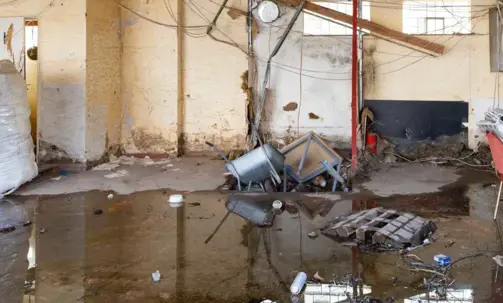
Hurricane season in South Florida runs from June through November, but the damage does not stop when the storm moves on. Wind-driven rain, roof damage, flooding, and storm surge can leave behind moisture that continues to cause problems for weeks after a storm if not addressed properly.
Here is what homeowners in Port St. Lucie and the Treasure Coast area need to know about water damage repairs after a hurricane.
What Makes Hurricane Water Damage Different
Water damage from a hurricane involves multiple entry points simultaneously -- a damaged roof, compromised windows, flooded ground level, and infiltration through walls. Unlike a single appliance leak, storm damage saturates a home from multiple directions, often affecting different building systems at once.
The water involved can also be contaminated. Stormwater carries debris, bacteria, and other contaminants that require proper handling during cleanup. Category 3 (black) water situations are common after flooding events and require specific protocols.
Roof Damage and Attic Moisture
Even small breaches in a roof -- missing shingles, damaged flashing, or compromised ridge caps -- allow significant water infiltration during heavy rain. Attic insulation absorbs water quickly and retains it long after the storm. Wet insulation loses its R-value and supports mold growth, but it may not appear damaged from below.
Any roof damage visible after a storm should be accompanied by a moisture assessment of the attic and ceiling below.
Walls and Flooring After Flooding
When water enters a home at floor level -- from storm surge or rising water -- it saturates drywall from the bottom up. Drywall wicks water vertically, meaning the visible water line may be 12 inches off the floor while moisture has already traveled 24 to 36 inches up the wall cavity.
Flooring over a concrete slab may appear dry on top while moisture is trapped between the concrete and the flooring material. This is particularly common with tile and vinyl plank, which are relatively impermeable and trap moisture underneath.
The Importance of Acting Quickly
Post-storm water damage follows the same mold growth timeline as any other water intrusion: growth can begin within 24 to 48 hours in warm, humid conditions. Port St. Lucie's climate is ideal for rapid mold development, and the humidity that follows a storm accelerates it further.
Waiting for insurance adjusters before beginning mitigation is a common mistake. Most policies require reasonable efforts to mitigate further damage after a loss. Documenting the damage thoroughly and beginning drying quickly both protect the home and support the insurance claim.
What the Repair Process Involves
Post-hurricane water damage repair typically follows this sequence:
- Water extraction and removal of standing water
- Controlled demolition of unsalvageable materials -- wet drywall, soaked insulation, damaged flooring
- Structural drying with industrial dehumidifiers and air movers
- Antimicrobial treatment throughout affected areas
- Inspection and repair of the roof and building envelope to prevent further intrusion
- Rebuild of affected areas once all materials reach acceptable moisture levels
Our team operates across Port St. Lucie, Stuart, Palm City, Vero Beach, and the surrounding Treasure Coast area. We work alongside homeowners and their insurance carriers throughout the process.
Documentation for Insurance Claims
Thorough documentation is essential after storm damage. Photograph everything before any work begins. A professional restoration company will provide moisture readings, scope of work, and documentation that supports your claim. Attempting DIY repairs before proper documentation can create complications with your insurer.