Fast Response When Your Water Heater Fails in Port St. Lucie
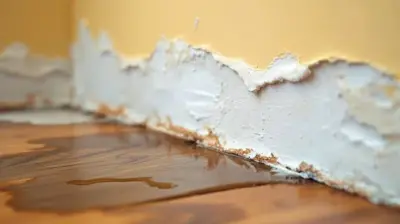
A water heater holds 40 to 80 gallons of water at all times, and when the tank fails, either through a slow leak or a sudden rupture, that water has to go somewhere. In Port St. Lucie homes, water heaters are frequently located in garages, closets, or utility rooms where a slow leak can go unnoticed for days or weeks. By the time the problem is discovered, water has often saturated the surrounding flooring, soaked into drywall and baseboards, and created conditions for mold to develop inside nearby wall cavities.
Wet Out Restoration provides water heater water damage restoration for Port St. Lucie homeowners and businesses, with IICRC-certified technicians available 24/7. Based locally at 1947 SW Biltmore Street, we can respond quickly, assess the full scope of the damage, and begin extraction and drying immediately so the situation does not deteriorate further while you wait.
We provide water heater water damage restoration for:
- Single-family homes and condos throughout Port St. Lucie
- Apartment and multi-family buildings
- Office buildings and commercial properties
- Restaurants and commercial kitchen spaces
- Multi-tenant and managed properties
Water heater leaks often affect more than just the immediate area around the unit. Water spreads under cabinetry, soaks into flooring and subflooring, and can migrate into wall cavities before the surface shows any visible damage. Our process is designed to find and address the full extent of the moisture intrusion. Here's what sets our process apart: We assess the full affected area, including flooring, subflooring, adjacent walls, and any rooms sharing a wall with the utility space Industrial-grade extraction equipment removes standing water quickly to limit further absorption into structural materials Moisture meters confirm how far water has spread beyond the visible area Targeted drying equipment is placed to address moisture inside wall cavities and under flooring that air movers alone cannot reach We coordinate with plumbers as needed if the water heater requires repair or full replacement before restoration work begins A dedicated project manager oversees every phase and keeps you informed throughout
What Causes Water Heater Failures in Port St. Lucie?
Port St. Lucie's hard water and high mineral content accelerate the wear on water heater components, making local properties particularly susceptible to premature water heater failure. Common causes include:
- Sediment buildup from hard water accumulating at the bottom of the tank, causing overheating and stress on the tank walls
- Corrosion developing inside an aging tank, eventually allowing water to seep through the metal
- A failed or stuck temperature and pressure relief valve allowing unsafe pressure buildup
- Loose or deteriorated inlet and outlet fittings where water enters and exits the tank
- A cracked anode rod no longer protecting the tank interior from rust
- High household water pressure accelerating wear on tank seals and connections
- Age, most water heaters in Port St. Lucie have a serviceable life of 8 to 12 years, and many properties have units well past that point
What Should You Do If Your Water Heater Leaks in Port St. Lucie?
Acting quickly when you discover a water heater leak can significantly limit how much damage occurs. Here's what to do before our team arrives:
- Turn off the cold water supply valve at the top of the water heater if it is safe to access
- Shut off the power supply to the unit at the breaker panel, or turn off the gas supply for gas water heaters
- Move stored items away from the affected area to prevent further saturation
- Place towels or barriers to slow the spread of water if a large volume is present
- Take photos and video of the unit and all visible water damage for insurance documentation
- Call Wet Out Restoration immediately so we can begin preparing the response
Standing water left untreated for even 24 hours can begin to warp flooring, saturate subflooring, and create the moisture conditions mold needs to develop.
-
"Complete Professionalism"
Wow wow wow!! Complete professionalism. It started with Nathaniel! He handled everything with my insurance company and explained everything to me. Absolutely amazing! Thank you!!
Barbara H. -
"Amazing Job"
Nathaniel was very nice and amazing at his job. He was able to explain the insurance process to me and I couldn't be any more happier!
Linda O.
Why Choose Us?
Benefits of Working With an Expert Team
-
Customized, Individual Approach
-
Updated Technologies
-
Same-Day Service
-
Hablamos Español
-
Licensed & Insured
-
Contact Us for a Free Estimate
Stay In The Know
Stay Prepared with Our Restoration Insights
-
 Does Insurance Cover Water Damage?Read More
 -
What to Do After a Pipe BurstsRead More
-
When A Small Leak Revealed MoreRead More
-
Watch How Wet Out Restoration Grew from One Van & Three People to a Trusted Local TeamRead More
-
Signs of Hidden Mold After Water DamageRead More
-
Flood Damage Prevention Before Hurricane SeasonRead More
-
Managing Rising Humidity Levels in Your Treasure Coast HomeRead More
-
The Danger of Micro-Leaks in Your Florida Home’s Windows and DoorsRead More
.png.2606300700048.webp)