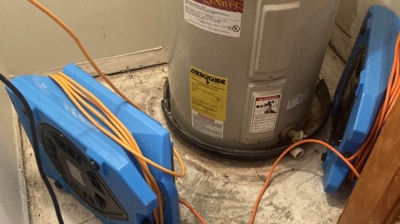
Restoring Floors After Water Intrusion of Any Kind
Floors and subfloors absorb water more readily than most other parts of a building, and once moisture gets in, it doesn't just sit on the surface. Hardwood can warp and buckle, laminate can swell and separate, tile can loosen, and subflooring underneath can weaken or develop mold without ever being visible from above. Whether the damage came from a burst pipe, a slow leak, flooding, or appliance failure, floors are often where the worst long-term damage shows up.
Wet Out Restoration provides floor and subfloor water damage restoration across Port St. Lucie and the surrounding region, with IICRC-certified technicians available 24/7. We assess the full extent of the damage, from the surface flooring down to the subfloor and structural framing, to make sure nothing is left to cause problems later.
We provide floor and subfloor water damage restoration for:
- Single-family homes and condos
- Apartment and multi-family buildings
- Office buildings and commercial properties
- Retail stores and restaurants
- Warehouses and industrial properties
If your floors have been affected by water damage, call (772) 309-9506 for same-day service or contact us online to request a free estimate. ¡Se habla español!
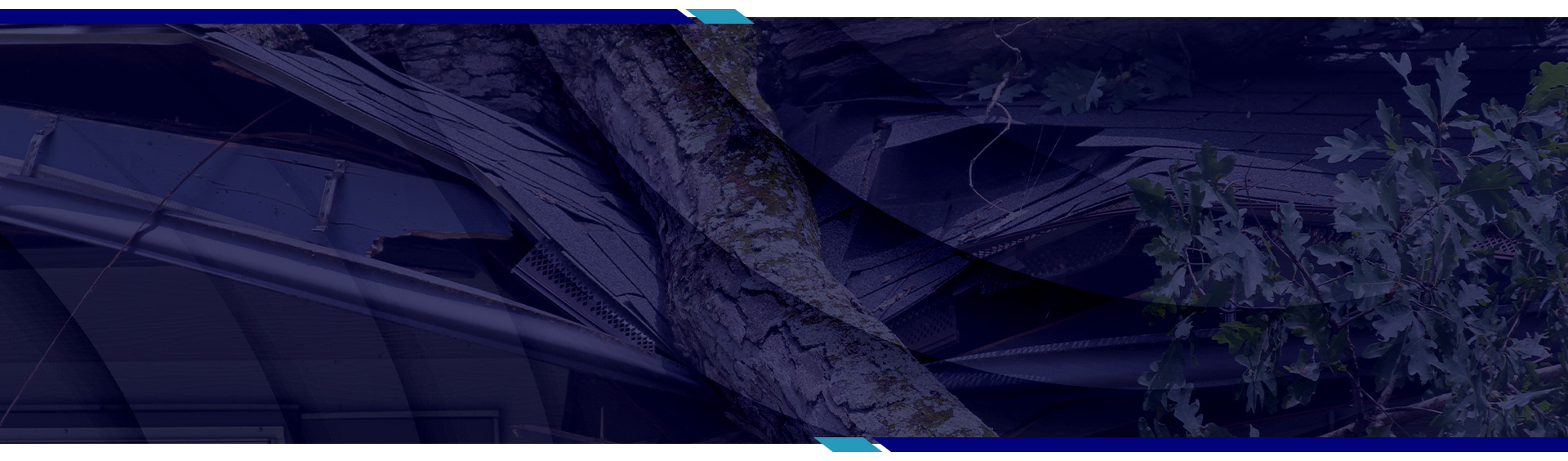
Slab leak restoration is more complex than most other water damage scenarios because the moisture source is below the structure itself. Water does not travel in a straight line upward. It moves laterally beneath the slab before it surfaces, which means the area where moisture appears on the floor is often not directly above where the pipe failed. Our process is built to find every area the water has reached. Here's what sets our process apart: We use moisture meters and thermal imaging to map the full extent of water intrusion through the slab and into flooring, walls, and adjacent rooms Flooring and subflooring are assessed to determine what can be dried in place versus what needs to be removed to allow drying of the slab surface Specialized drying systems including desiccant dehumidifiers and floor drying mats address moisture within the concrete itself, not just the materials above it We coordinate directly with your plumber to ensure the slab leak is fully repaired before restoration work proceeds Daily moisture readings confirm drying progress throughout the structure until all materials reach dry standard A dedicated project manager oversees every phase and keeps you informed from start to finish
What Causes Floor & Sub Floor Water Damage?
Floor damage is usually a secondary effect of another water issue, but identifying the original source is essential to a lasting repair.
Common causes of floor and subfloor water damage include:
- Burst or leaking pipes beneath or near flooring
- Appliance leaks from dishwashers, washing machines, or water heaters
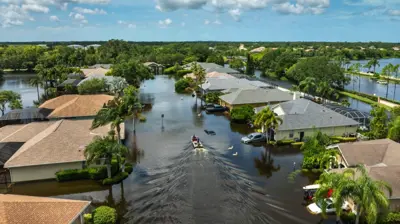
- Flooding from storms or heavy rain
- Slow, undetected leaks from plumbing or fixtures
- Condensation buildup from poor ventilation or HVAC issues
- Sewage backups affecting ground-level flooring
Resolving the underlying cause is just as important as repairing the floor itself.
-
"Complete Professionalism"
Wow wow wow!! Complete professionalism. It started with Nathaniel! He handled everything with my insurance company and explained everything to me. Absolutely amazing! Thank you!!
Barbara H. -
"Amazing Job"
Nathaniel was very nice and amazing at his job. He was able to explain the insurance process to me and I couldn't be any more happier!
Linda O.
Why Choose Us?
Benefits of Working With an Expert Team
-
Customized, Individual Approach
-
Updated Technologies
-
Same-Day Service
-
Hablamos Español
-
Licensed & Insured
-
Contact Us for a Free Estimate
What Are the Warning Signs of Floor & Sub Floor Water Damage?
Floor damage can be subtle at first, especially when it starts beneath the surface. Here's what to watch for:
- Soft, spongy, or bouncy spots when walking across the floor
- Warping, buckling, or cupping in hardwood or laminate flooring
- Loose, cracked, or lifting tile
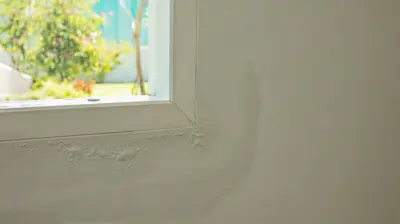
- Discoloration or staining on flooring or baseboards
- Musty odors coming from the floor area
- Visible gaps appearing between floorboards
If you notice any of these signs, it's best to have the area inspected before the damage spreads further or mold develops.
Stay In The Know
Stay Prepared with Our Restoration Insights
-
 When A Small Leak Revealed MoreRead More
 -
Watch How Wet Out Restoration Grew from One Van & Three People to a Trusted Local TeamRead More
-
Signs of Hidden Mold After Water DamageRead More
-
Flood Damage Prevention Before Hurricane SeasonRead More
-
Managing Rising Humidity Levels in Your Treasure Coast HomeRead More
-
The Danger of Micro-Leaks in Your Florida Home’s Windows and DoorsRead More
-
The Ultimate Guide to Fire Restoration: Steps, Tips, and MoreRead More
-
Common Causes of Holiday Water Damage and How to Avoid ItRead More

.png.2606300700048.webp)