
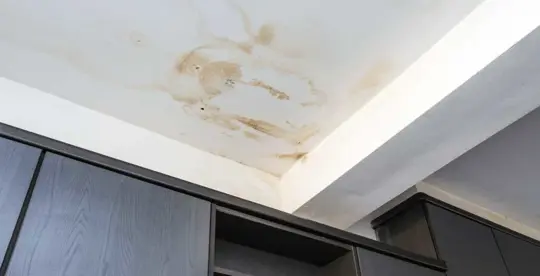
Water damage does not always announce itself with a flood or an obvious stain. Some of the most costly damage in homes comes from leaks and moisture intrusion that go unnoticed for weeks or months. By the time it becomes visible, significant structural damage or mold growth may already be present.
These are the signs homeowners in Port St. Lucie and the Treasure Coast area should know.
Unexplained Musty or Earthy Odors
Mold and mildew have a distinctive smell -- damp, earthy, or stale. If a room or area of your home consistently smells this way and you cannot find an obvious source, hidden moisture is a likely cause. This odor often comes from inside walls, under flooring, or in crawl spaces where water has been sitting long enough to support mold growth.
A smell that gets worse after rain or in humid weather is especially telling.
Discoloration on Walls or Ceilings
Yellow, brown, or grayish stains on drywall or ceiling tiles are classic signs of water intrusion. These stains form as water soaks through the material and evaporates, leaving mineral deposits behind. The stain may have dried by the time you notice it, but that does not mean the source of moisture is gone.
Stains that appear, fade, and reappear are almost always a sign of an ongoing leak.
Paint Bubbling, Peeling, or Blistering
When moisture gets behind paint -- whether from a leak inside the wall or from condensation -- the paint loses adhesion. You'll see bubbling, peeling, or blistering that does not have an obvious cause like age or sun exposure. This is commonly seen near plumbing fixtures, windows, and exterior walls.
Soft Spots or Warping in Floors
A floor that feels spongy underfoot, shows visible buckling, or has grout lines that are cracking can indicate moisture in the subfloor. Hardwood floors that cup (edges higher than the center) or crown (center higher than the edges) are absorbing moisture from below or above. Laminate that separates at the seams is another indicator.
These changes do not happen overnight. By the time the floor feels wrong, moisture has likely been present for some time. See our page on <water damage restoration services> for what a full assessment looks like.
Increased Water Bills Without Explanation
A water bill that has gone up without a clear reason -- no new appliances, no change in usage habits -- is worth investigating. Slow leaks in supply lines, irrigation systems, or behind-wall plumbing can run constantly without being visible. Even a small drip wastes thousands of gallons per month and creates ongoing moisture damage wherever it is located.
Visible Mold in Low-Risk Areas
Finding mold in a bathroom is common. Finding it in a bedroom, hallway, or on a wall that does not border a wet room is a red flag. Mold appears where moisture is, not just in the places you expect. A small patch of mold on an interior wall often means there is a much larger moisture problem inside that wall or in the space above it.
Sounds of Running Water When Nothing Is On
Hearing water running or dripping when no faucets or appliances are in use is a clear sign of a leak somewhere in the plumbing system. This sound is more noticeable at night when the house is quiet. Pinpointing the source requires a moisture assessment -- the sound can travel through walls and floors, making it hard to locate by ear alone.
What to Do If You Notice These Signs
Do not wait to see if the issue resolves on its own. Hidden water damage gets worse with time, and early detection almost always results in less damage and lower repair costs. A professional moisture assessment uses thermal imaging and moisture meters to find water that is not visible to the naked eye.